
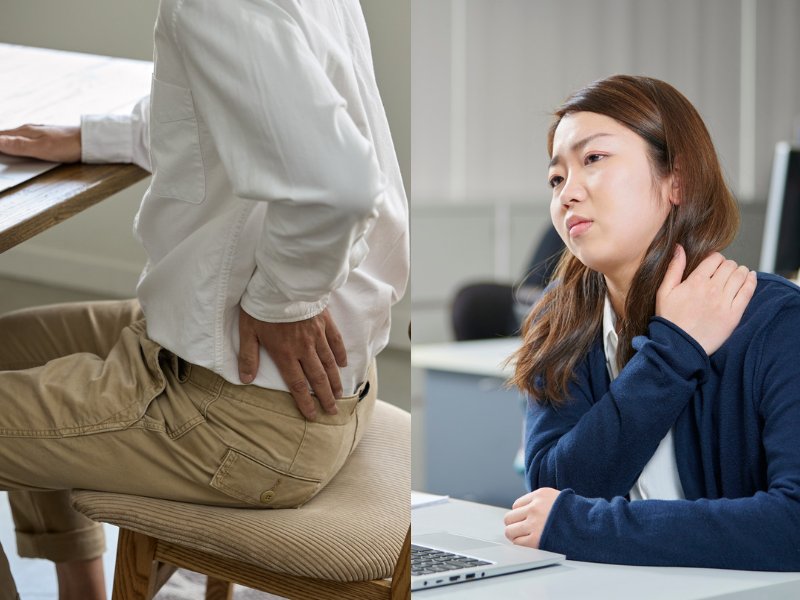
Joint pain in your early 40s may feel surprising. Many people assume arthritis is only a problem of old age, but that is no longer true. Today, long sitting hours, poor posture, weight gain, unhealthy food habits, stress, old sports injuries, vitamin deficiencies, and autoimmune conditions are making arthritis and joint pain in early 40s increasingly common. Osteoarthritis can begin in the 40s, especially in weight-bearing joints like knees, hips, neck, and lower back. (Ref. – msdmanuals.com)
The good news? When identified early, joint damage can often be slowed, pain can be reduced, and daily function can improve significantly.
Why Joint Pain Starts in the Early 40s
In this age group, joint pain is usually not due to just “age.” It often happens because of a combination of lifestyle and medical reasons.
Common causes include:
- Early osteoarthritis due to cartilage wear and tear
- Rheumatoid arthritis or autoimmune inflammation
- Old ligament or meniscus injuries
- Vitamin D and calcium deficiency
- Low bone mineral density (BMD)
- Obesity and metabolic inflammation
- Long desk jobs with poor ergonomics
- Repetitive strain from travel, driving, or gym overload
- Sedentary lifestyle and muscle weakness
- Stress-related muscle tightness around joints
Cartilage breakdown, inflammation, and reduced muscle support around joints are the main reasons pain begins. (Ref.- mayoclinic.org)
According to research published by Harvard Health, choosing a healthy eating pattern over many years can cut the risk of gout by up to 60% and reduce general joint pain. [(Ref.- Harvard Health Publishing. (2022)]
Early Symptoms the General Public Should Watch For
Many people ignore early signs and continue daily activities until pain becomes severe.
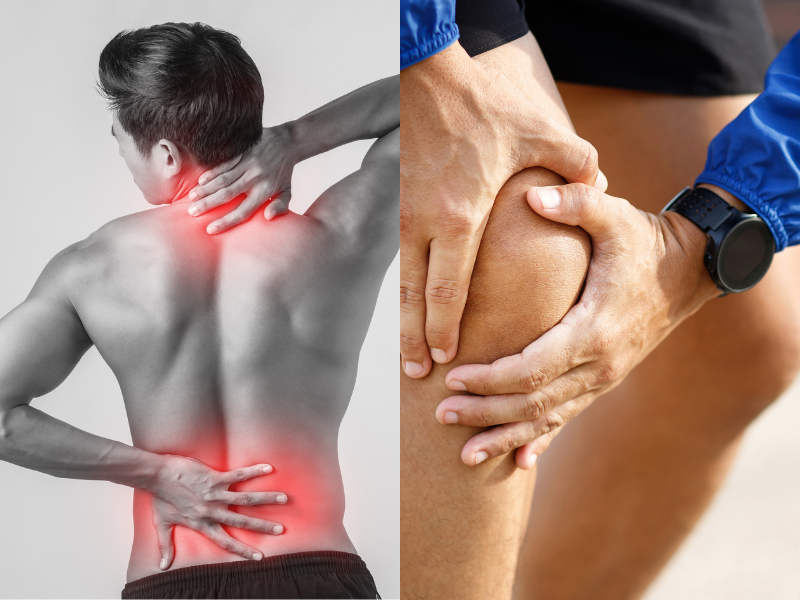
Red flag symptoms:
- Morning stiffness lasting more than 15–30 minutes
- Knee pain while climbing stairs
- Clicking or grinding sound in joints
- Pain after sitting for long periods
- Swelling around fingers, knees, or ankles
- Lower back stiffness after waking up
- Shoulder pain while lifting objects
- Reduced flexibility in hips or knees
- Difficulty sitting cross-legged
- Weak grip strength in hands
If these symptoms persist for more than 4–6 weeks, proper evaluation is important.
Important Tests for Arthritis and Joint Pain in Early 40s
A well-planned diagnostic workup helps identify whether the issue is bone weakness, inflammation, cartilage wear, or nutritional deficiency.
1) Bone Mineral Density (BMD)
This is especially useful in people with:
- Early menopause
- Sedentary lifestyle
- Recurrent back pain
- Family history of osteoporosis
- Repeated fractures
- Vitamin D deficiency
A DEXA / BMD scan helps assess bone strength and hidden osteopenia or early osteoporosis.
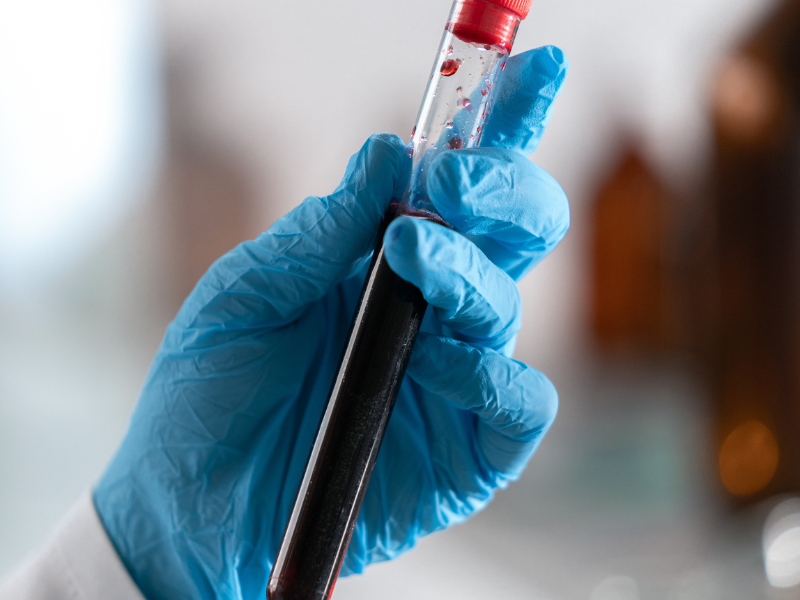
2) Blood Serum Calcium
Low serum calcium may contribute to:
- Muscle cramps
- Bone pain
- Generalized weakness
- Joint discomfort
3) Other Useful Blood Tests
- Vitamin D3 levels
- ESR / CRP for inflammation (Ref. – hopkinsmedicine.org)
- Rheumatoid factor (RF)
- Anti-CCP antibodies
- Serum uric acid (if gout is suspected)
- CBC to rule out chronic inflammation
- Thyroid profile in unexplained body aches
- HbA1c / blood sugar because diabetes can worsen joint stiffness
4) Imaging Tests
- X-ray for joint space narrowing and osteophytes
- MRI for early cartilage or ligament damage
- Ultrasound for synovitis or soft tissue swelling
These tests help differentiate osteoarthritis from inflammatory arthritis and other causes. (Ref.- my.clevelandclinic.org)
Can Lifestyle Be the Real Culprit?
Absolutely.

The modern 40s lifestyle is one of the biggest contributors:
- 8–10 hours desk work
- Laptop posture with neck bending
- Reduced sunlight exposure
- No strength training
- Weekend over-exercise after inactive weekdays
- Weight gain around abdomen
- High inflammatory processed foods
Even a small amount of extra weight increases pressure on knees and hips. Weight loss and regular low-impact exercise are strongly linked with symptom improvement. (Ref.- mayoclinic.org)
How Integrated Medicines and Ergonomics Can Help
A smart treatment approach often combines modern diagnostics, symptom control, physical rehabilitation, and supportive integrated care.

Integrated medicine may include:
- Conventional pain management under medical supervision
- Anti-inflammatory nutritional correction
- Vitamin D and calcium support
- Targeted physiotherapy
- Gentle yoga or stretching
- Clinically guided Ayurvedic supportive therapies
- Heat therapy and muscle relaxation techniques
- Stress management and sleep correction
Simple ergonomics that help a lot:
- Keep knees at 90 degrees while sitting
- Use lumbar back support
- Avoid prolonged floor sitting if knee pain exists
- Use an external keyboard for laptop work
- Take a 2-minute movement break every 30–40 minutes
- Use supportive footwear
- Avoid sudden deep squats and stair overload
Gentle movement therapies such as yoga and joint-friendly exercises can improve flexibility and reduce stiffness. (Ref.- mayoclinic.org)
Arthritis Prevention – Predominantly for Osteoarthritis
“अभ्यंगं आचरेन्नित्यं स जराश्रमवातहः।” “Abhyangam ācharen nityam sa jarā-śrama-vātaharaḥ.”
(Ref.- Dinacharya Adhyaya of Ashtanga Hridaya)
Meaning:
Daily oil massage (Abhyanga) helps reduce early aging, fatigue, and aggravated Vata.
Since Ayurveda considers many arthritis conditions like Sandhivata as a Vata-dominant disorder, this line beautifully supports joint lubrication, stiffness prevention, and pain management through regular self-care.
When Should a Patient Consult a Doctor?
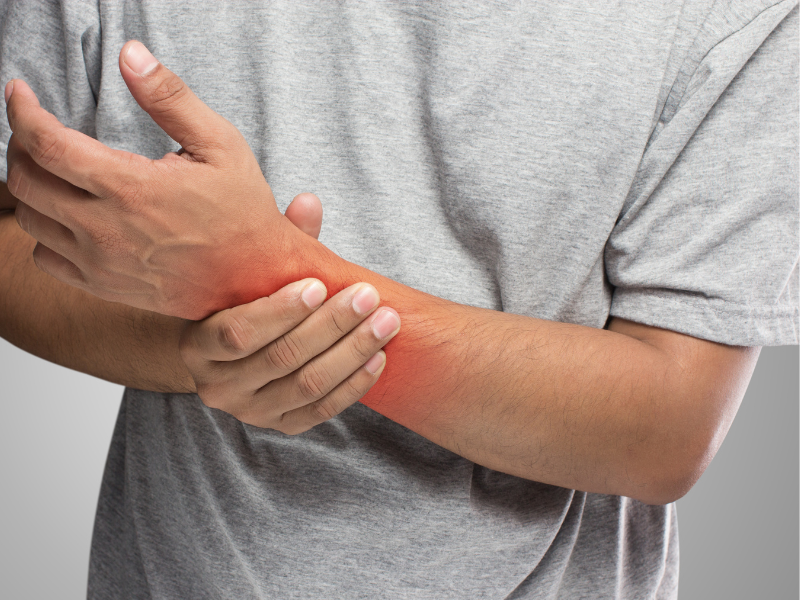
Seek professional evaluation if:
- Pain is affecting sleep
- Swelling is recurrent
- Multiple joints are involved
- Morning stiffness is increasing
- There is family history of rheumatoid arthritis
- Pain is associated with fever, psoriasis, or weight loss
- There is numbness with neck or back pain
- Pain is worsening despite rest
Early intervention prevents long-term joint degeneration.
Final Takeaway
Arthritis and joint pain in early 40s is common, treatable, and often reversible in early stages when the root cause is identified quickly.
The combination of:
- timely tests like Bone Mineral Density, serum calcium, Vitamin D, ESR/CRP, and imaging
- lifestyle correction
- weight management
- integrated medicine support
- proper ergonomics
- regular muscle strengthening
- Healthy food habits
can dramatically improve quality of life.
The message is simple: don’t normalize persistent joint pain just because you are in your 40s. Early care today can protect your mobility for decades.
Reviewed by Dr. Omkar Bole, BAMS
Registered Medical Practitioner | Arthritis Care
Medical References
- Mayo Clinic. Arthritis: Symptoms, causes, diagnosis and treatment.
- Mayo Clinic. Osteoarthritis: Symptoms, diagnosis and treatment.
- Johns Hopkins Medicine. Osteoarthritis and arthritis overview.
- Cleveland Clinic. Osteoarthritis: Symptoms, causes and treatment options.
- Johns Hopkins Arthritis Center. Osteoarthritis patient education.
- Harvard Health Publishing. (2022). An anti-inflammatory diet may be good for your joints.
- Ashtanga Hridaya. Dinacharya Adhyaya